

Summary
Every menopause journey is different. Understanding available support options, effective communication strategies, and practical wellbeing approaches can help individuals navigate this stage of life with greater confidence and clarity.
Through lived experience stories, expert perspectives, and evidence-based insights, this session will explore the realities of managing menopause in the workplace. Participants will gain practical knowledge about symptom variability, treatment and support options, workplace adjustments, and strategies for self-advocacy and wellbeing. The discussion will provide a safe and supportive environment to learn, reflect, and build confidence in accessing support when needed.
Learning Outcomes:
- Recognise the diverse experiences and workplace impacts associated with menopause.
- Identify support options, workplace adjustments, and organisational pathways available to assist employees experiencing menopause.
- Apply practical self-advocacy and wellbeing strategies to support successful participation and career progression at work.
Moderator
Kim Goodair, FCPA, GAICD
Kim Goodair, FCPA, GAICD is a senior project and transformation leader and Chair of the CPA Queensland Committee for Women. With over 20 years of leadership experience, she is passionate about promoting diversity, inclusion and meaningful conversations that support women throughout their professional journeys. Kim is pleased to chair this series of menopause events and facilitate this important discussion.
Speakers
Take a look at our speakers scheduled for this event.
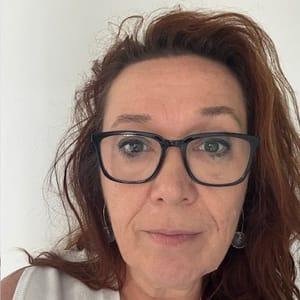
Janey McGoldrick
Janey McGoldrick is a Menopause Friendly Australia Trainer with 25+ years’ experience in health and education delivering to corporate organisations across the UK and Australia. Inspired by her own challenging menopause journey, she is a passionate advocate for improved menopause awareness and healthcare. Janey works with professionals and workplaces to provide practical training, fostering knowledge, empathy, and confidence to better support women navigating menopause in the workplace. Menopause Friendly Australia is a global leader in workplace menopause services, dedicated to improving menopause experiences both at home and at work. MFA partners with employers who are committed to doing the right thing for their people by helping create inclusive environments where individuals experiencing menopause can feel supported and empowered to succeed. Their membership and workplace accreditation programs are available across the UK, US, and Australia, with more than 500 employers already committed to becoming menopause friendly.
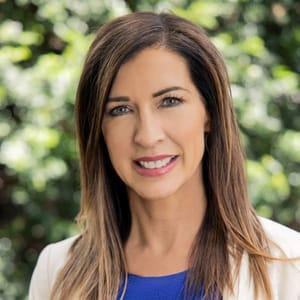
Tanya Hegarty
Tanya Hegarty is a senior People & Culture executive, strategic coach and facilitator with more than 25 years’ experience helping organisations unlock high performance the human way. Her work sits at the intersection of people, culture and organisational performance. She is particularly interested in what happens when the realities of today’s workforce no longer fit the systems and assumptions organisations have traditionally relied upon. Whether it is menopause, neurodivergence or multiple generations in the workplace, Tanya explores what these differences reveal about the way work is designed. Rather than simply accommodating difference, she helps organisations rethink outdated assumptions and craft the conditions for a broader range of people to thrive — creating workplaces that are more human, more adaptable and better for business. Known for making complex ideas practical, Tanya brings together research, real-world experience and practical tools that leaders and organisations can actually use. Tanya holds qualifications in adult and vocational education and developmental coaching, is an ICF-accredited coach, and has specialist accreditations in vertical development and psychometrics spanning individuals, teams and organisational culture.
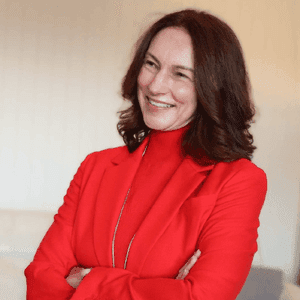
Elizabeth Kingston
Elizabeth Kingston is the CEO of Kingston Human Capital, Kingston Human Capital help organisations attract, retain, and develop top talent - building stronger teams and developing more inclusive workplaces.